Stop the Waste: 5 Common Refrigeration System Efficiency Restoration Mistakes Toronto Businesses Make
Operating a commercial kitchen in Toronto means balancing tight margins with high utility costs. When your walk-in cooler or freezer begins to struggle, the natural instinct is often to call for a repair technician to replace parts or recharge refrigerant. However, many business owners overlook the foundational health of their equipment. Implementing a consistent Refrigeration System Efficiency Restoration Toronto strategy is the most effective way to protect your investment. Too often, we walk into kitchens across the GTA to find equipment running at half-capacity simply because basic maintenance habits have been ignored or misunderstood. Here are the top mistakes we see in the field and how you can correct them before they result in a total system breakdown.
## 1. Assuming 'Clean' Means Airflow Is Optimal
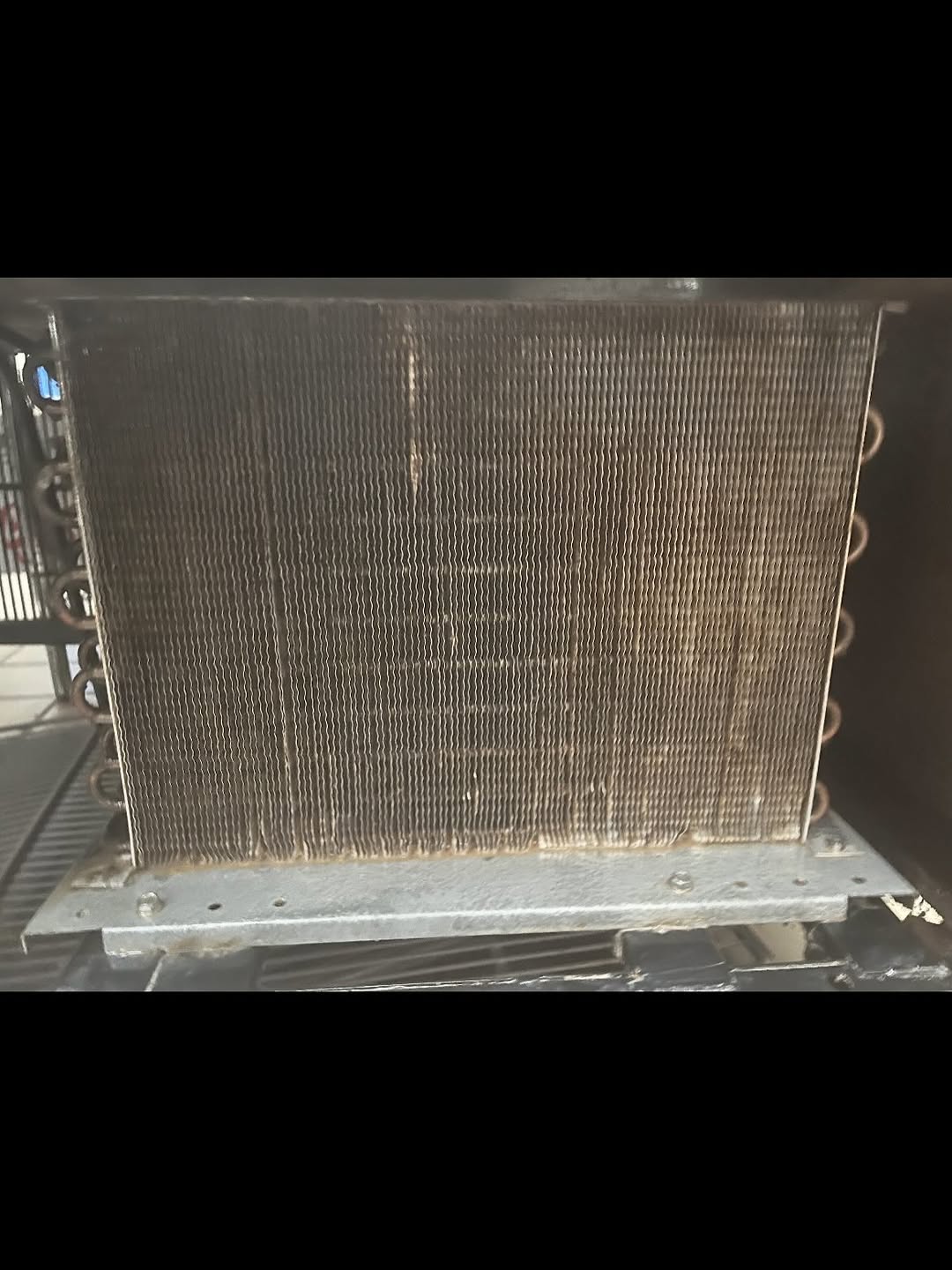
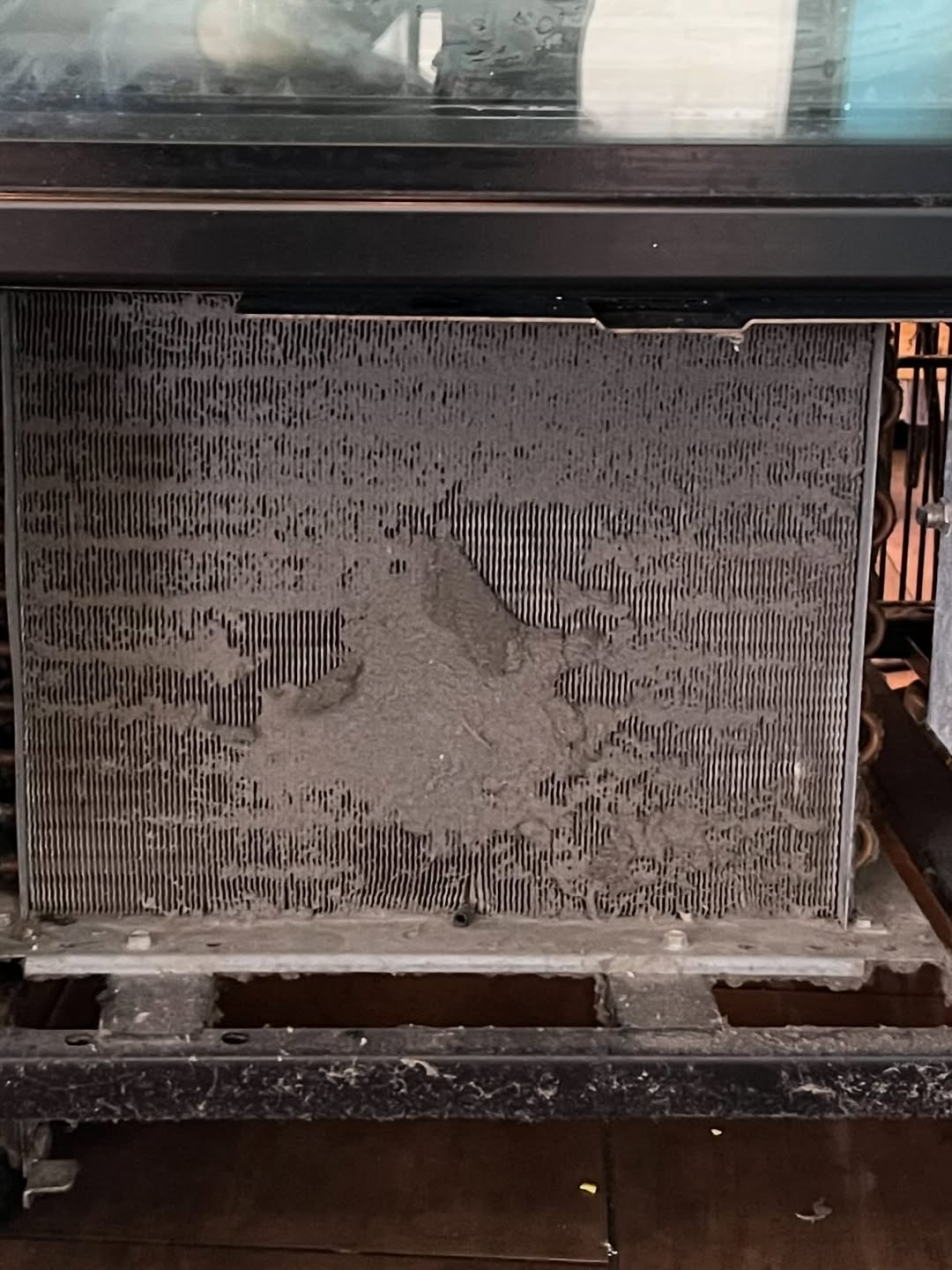
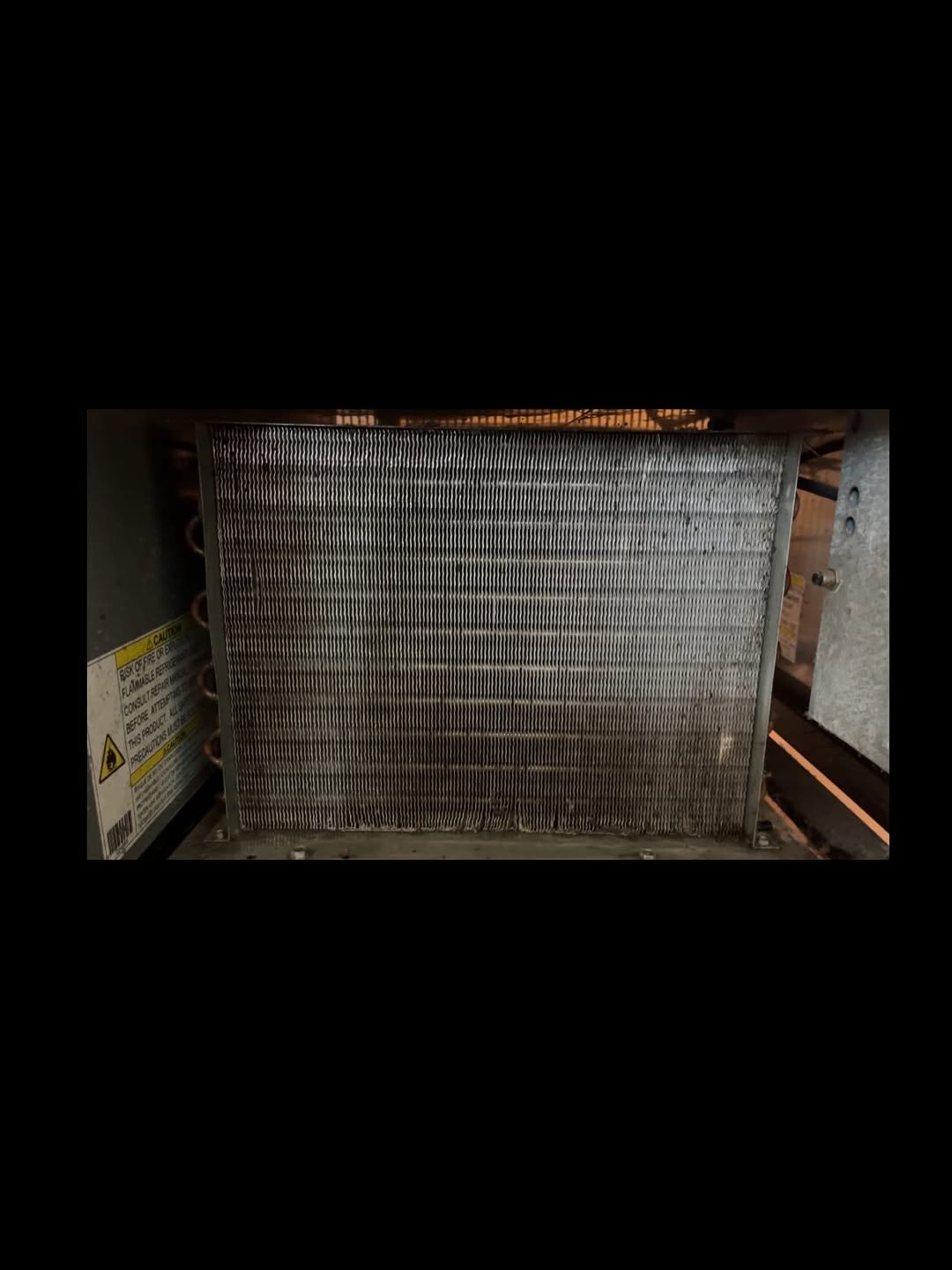
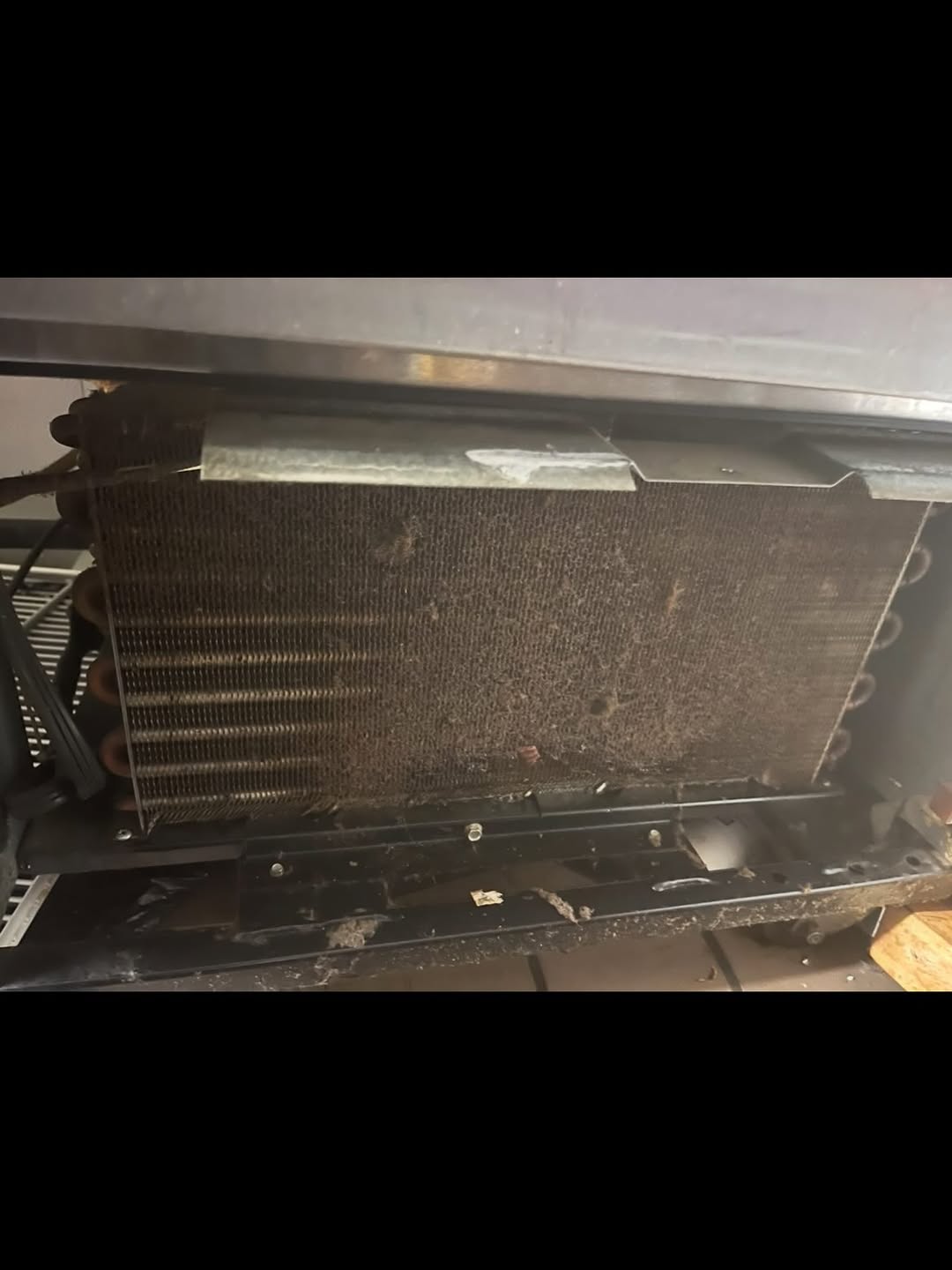
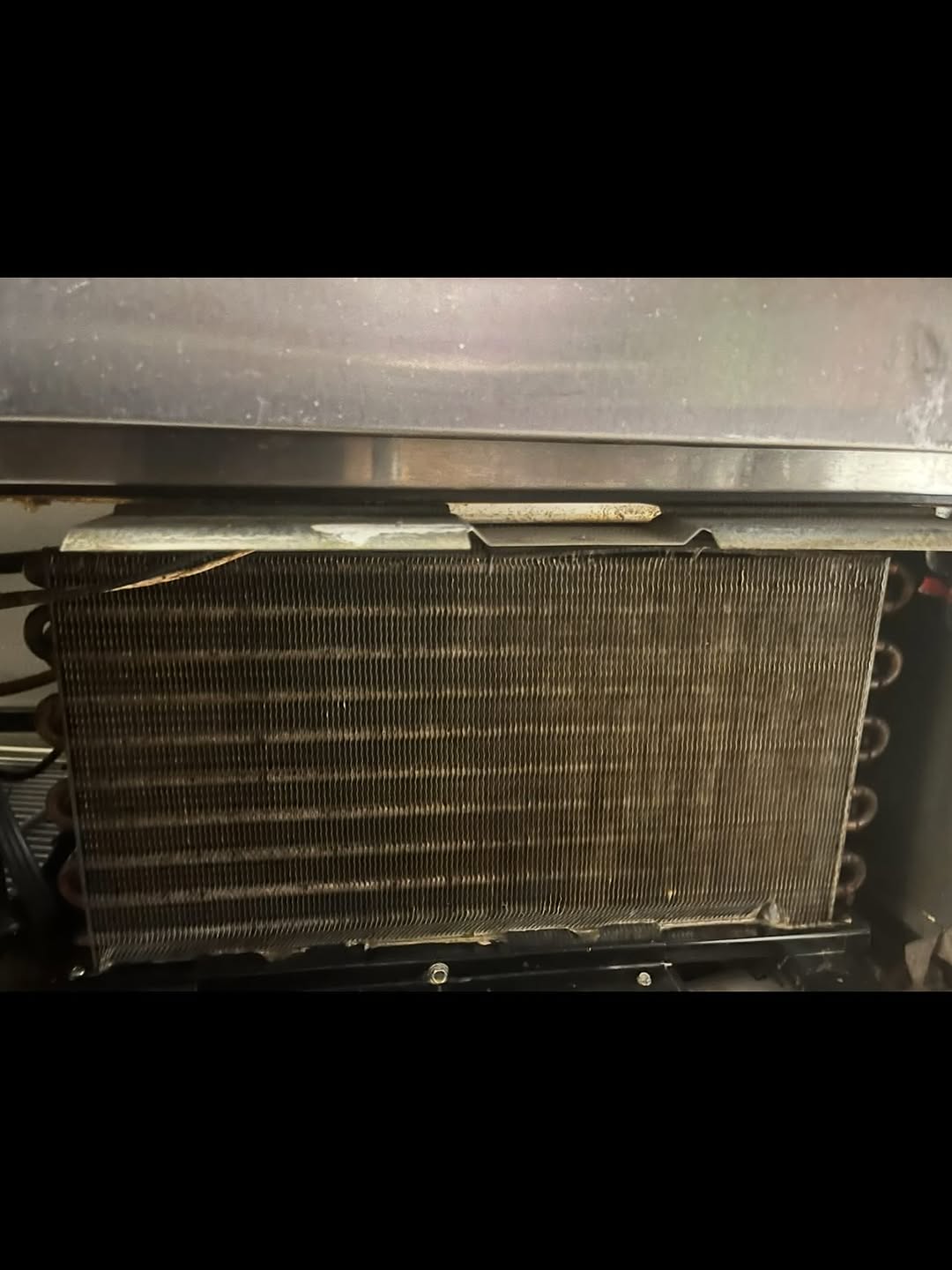
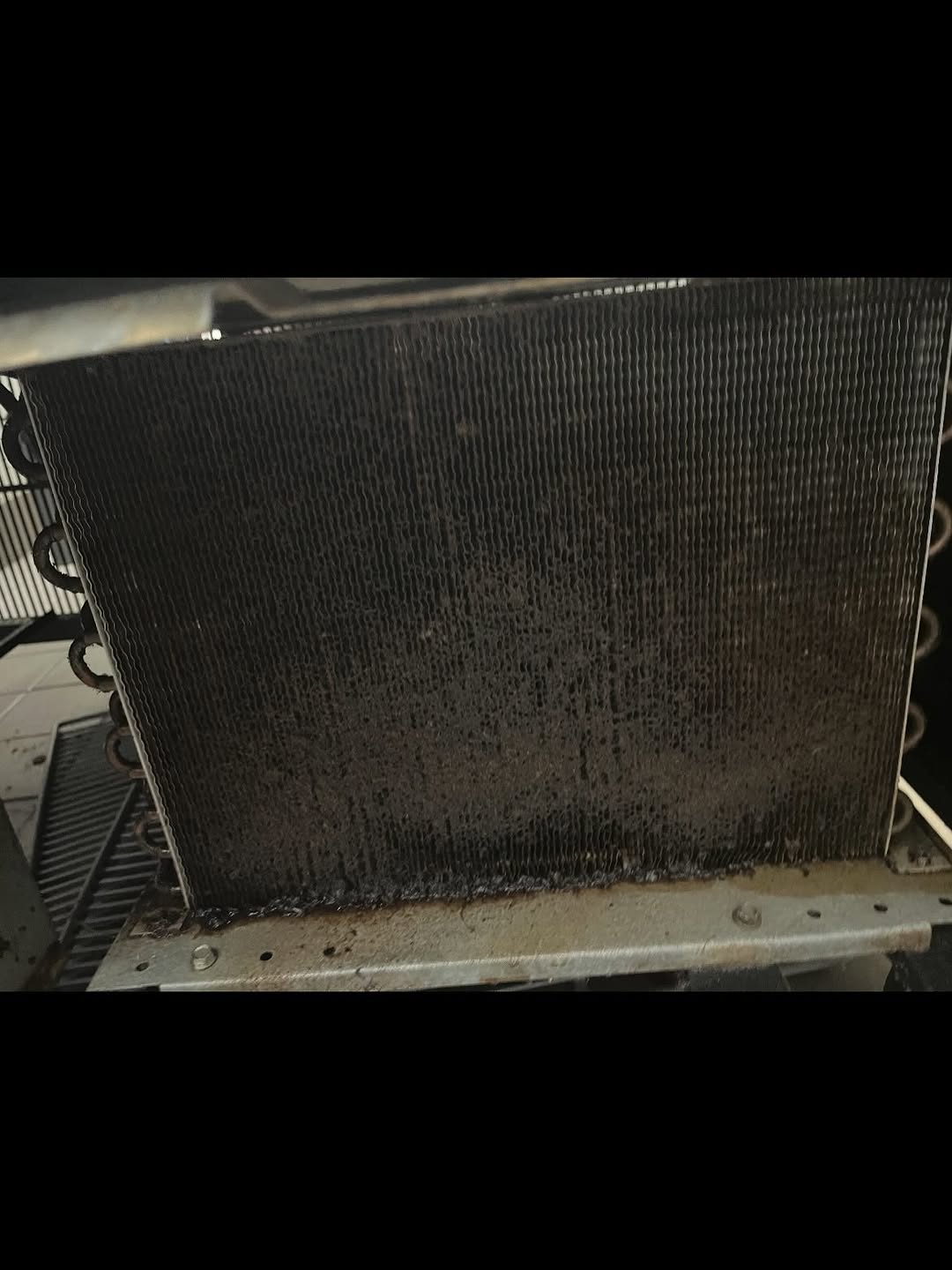
Many operators believe that if they can wipe down the exterior of a condenser coil, the system is performing as it should. In our climate, especially during the humid Toronto summers, dust, grease, and debris accumulate deep within the coil fins where a simple rag cannot reach. If air cannot pass through the coils, the compressor works significantly harder, leading to shortened equipment life. Do not assume your system is efficient just because it looks clean from the front. Professional restoration requires specialized brushes and pressurized cleaning agents to remove the impacted grime trapped inside the coil structure.
## 2. Neglecting the Impact of Seasonal Toronto Humidity
Toronto experiences extreme swings in humidity, which place a heavy burden on your refrigeration units. A common mistake is failing to adjust maintenance schedules to account for these weather patterns. High humidity levels lead to increased frost buildup on evaporator coils, which acts as an insulator, preventing your unit from cooling properly. If you are not performing routine inspections before the height of the summer season, you are asking your motor to fight an uphill battle. Adjust your service frequency to coincide with seasonal transitions rather than waiting for the system to alarm.
## 3. Ignoring the Warning Signs of Compressor Strain
If you hear your compressor cycling on and off more frequently than it used to, this is a red flag, not a minor annoyance. Many business owners ignore these sounds until the unit fails entirely. This rapid cycling is often a symptom of poor heat exchange, meaning the refrigerant is not cooling down properly in the condenser. By the time the compressor burns out, you are looking at a multi-thousand dollar repair bill. Early intervention through deep-cleaning the coils often resolves this strain, bringing the system back to the manufacturer’s design specifications.
## 4. Relying on DIY Solutions for Sensitive Components
We frequently encounter walk-in units that have been damaged by well-intentioned staff using high-pressure power washers or corrosive chemicals. These methods often bend delicate aluminum fins or strip away essential protective coatings. If the fins are damaged, airflow is permanently restricted. Always utilize professional-grade, non-corrosive cleaning agents that are safe for food-service environments and specifically designed to maintain the integrity of the coil metal. Improper cleaning is often more damaging than no cleaning at all.
## 5. Overlooking the Electrical Connections and Fan Motors
Efficiency restoration is about more than just the coil surface. Many managers forget to inspect the fan motors and electrical contacts while addressing the coils. A dirty or failing fan motor will prevent the air from circulating effectively, regardless of how clean the coils are. During a professional efficiency restoration, all moving parts should be inspected for wear and tear. Checking for loose electrical connections prevents energy spikes and potential fire hazards, ensuring your entire system operates within safe parameters.
## Frequently Asked Questions
### How often should I schedule refrigeration system efficiency restoration in Toronto?
We recommend a professional deep-cleaning and inspection at least twice per year for most commercial units. If your equipment is located in a high-grease kitchen environment or operates in an area with high dust levels, quarterly service is a better approach to maintain peak efficiency.
### Will coil cleaning actually reduce my monthly energy bill?
Yes, a clean coil allows the system to transfer heat much more effectively, which reduces the workload on the compressor. When the compressor runs for shorter intervals and draws less current, your electricity consumption drops noticeably, directly impacting your bottom line.
### Can I clean these coils myself without a professional?
While basic dusting can be done, professional restoration involves deep-cleaning internal fins with specific equipment that prevents damage to the unit. Using improper tools often bends the fins, which restricts airflow and creates permanent performance issues that are expensive to fix.
### What are the signs that my cooler needs professional attention immediately?
Look for excessive frost buildup, audible straining sounds from the compressor, or the unit running constantly without cycling off. If your temperature readings fluctuate significantly or the unit fails to hold set temperatures during the day, contact us immediately to prevent a total mechanical failure.
If you are ready to stop wasting energy and want to ensure your refrigeration units survive the demanding Toronto climate, our team at Blue Circuit Coil Cleaning is here to help. Contact us today to schedule a comprehensive assessment and restore your system to its peak efficiency.
DineSafe Compliance and Air Quality: Eradicating Food-Service Biofilm in Toronto Evaporator Coils
Operating a commercial kitchen, craft brewery, or specialty grocery market in Toronto is a high-stakes balancing act. Between stringent Toronto Public Health DineSafe inspections and the heavy atmospheric moisture rolling off Lake Ontario, local operators face unique environmental hurdles. While most kitchen managers diligently scrub prep tables and exhaust hoods, a critical health and operational hazard remains entirely out of sight: the biological buildup inside walk-in cooler evaporator coils.
In food-rich environments—especially in historic Toronto districts like the Distillery District, Queen West, or the Danforth—evaporator coils act as giant air-scrubbers. They draw in humid, ambient air containing organic particulates, yeast, flour dust, and grease aerosols. When this mixture hits the freezing or near-freezing copper tubes and aluminum fins of your evaporator coil, it creates a damp, nutrient-rich breeding ground for mold, mildew, and complex bacterial biofilms. This is not just an efficiency problem; it is a critical food safety threat.
## The Invisible Threat to Toronto Food Service: Evaporator Biofilm
Unlike condenser coils, which are located outdoors or in mechanical rooms and primarily collect dry dust and debris, evaporator coils operate inside the refrigerated space. Because they are constantly damp from the refrigeration cycle's condensation process, they are uniquely susceptible to biological contamination.
In Toronto's humid summers, this condensation increases dramatically. The moisture combines with airborne food particles to form a sticky, gelatinous matrix known as biofilm. Once established, this biofilm:
* **Harbors Pathogens:** It acts as a protective shield for bacteria like *Listeria monocytogenes*, which thrives in cold, damp environments.
* **Contaminates Stored Inventory:** The constant airflow from the evaporator fans blows microscopic mold spores and bacteria directly onto uncovered prep items, fresh produce, and cured meats.
* **Causes Odour Transfer:** Organic decay on the coils produces sour, musty odours that can taint delicate food products like dairy, artisanal cheeses, and open pastries.
* **Triggers DineSafe Infractions:** Toronto Public Health inspectors look closely at the cleanliness of mechanical cooling units. Visible mold or organic growth on or around the evaporator unit can lead to immediate compliance warnings or point deductions.
To help local operators understand what a comprehensive, food-safe remediation process looks like, we have compiled a detailed case study of a recent restoration project completed at a high-volume craft brewery and kitchen in downtown Toronto.
## Case Study: Biofilm Remediation at a Toronto Craft Brewery
This client had noticed a persistent musty smell in their main walk-in keg and food storage cooler, along with a slight increase in holding temperatures. Our diagnostic team identified a severe layer of organic yeast and black mold buildup blanketed across the rear of the evaporator coil assembly.
Here is how Blue Circuit Coil Cleaning safely resolved the issue using a multi-stage, food-safe restoration process.
### Phase 1: System Isolation and Pre-Inspection
Before any cleaning agents were introduced, our technicians completely isolated the refrigeration unit. All nearby food inventory was temporarily relocated to a secondary holding cooler to prevent any risk of cross-contamination.
* **Project Photo 1: Baseline Assessment:** Our first step was taking detailed high-resolution photos of the coil matrix. The images revealed a thick, gray-black biofilm clogging the lower 40% of the aluminum fins, severely restricting airflow and thermal heat exchange.
* **Project Photo 2: Electrical and Drain Line Shielding:** We carefully wrapped the fan motors, electrical junction boxes, and digital control sensors in protective barrier plastic to prevent water intrusion during the deep-cleaning process.
### Phase 2: Biological Breakdown and Precision Foam Application
Traditional pressure washing is not only dangerous to fragile aluminum fins, but it also sanitizes nothing. To safely dissolve the biofilm matrix without damaging the evaporator coil's structural integrity, we utilized a specialized, self-rinsing, food-safe enzymatic cleaner.
* **Project Photo 3: Active Enzyme Foam Penetration:** We applied a dense, low-pressure active foam directly to the coil face. This photo captures the foam deep within the fin channels, where it chemically breaks down the sticky proteins and lipids holding the biofilm together.
* **Project Photo 4: Fin Realignment and Mechanical Cleansing:** Once the bio-mass was loosened, we used specialized soft-bristle brushes and precision comb tools to gently dislodge stubborn biological deposits between the tightly spaced fins, restoring straight, unobstructed air pathways.
### Phase 3: High-Disinfectant Flush and Sanitation Verification
Because evaporator coils sit directly above food products, the cleaning process is not finished until the entire housing is thoroughly sanitized and verified clean.
* **Project Photo 5: Low-Pressure Warm Water Rinse:** We thoroughly flushed the coil using a calibrated, low-pressure warm water delivery system. This carried all dissolved organic debris down the drain line without atomizing contaminants into the air.
* **Project Photo 6: Condensate Pan and Drain Line Sanitization:** The final project photo shows the spotless condensate pan and clear drain line. We cleared the drain of any organic sludge and placed slow-dissolving, food-grade biocide tablets in the pan to prevent future biological blockages and drain overflows.
## Why Standard HVAC Maintenance Falls Short in Commercial Refrigeration
Many commercial property managers in Toronto rely on general HVAC contractors for their refrigeration maintenance. However, standard comfort-cooling HVAC maintenance rarely addresses the deep, microbiological sanitation required for commercial food preservation units.
General contractors often use harsh, acidic coil brighteners designed for outdoor AC units. If used indoors on an evaporator coil, these corrosive chemicals release toxic fumes into the food storage area and can rapidly corrode the copper tubing, leading to expensive refrigerant leaks.
At Blue Circuit Coil Cleaning, we use strictly non-toxic, biodegradable, NSF-approved food-service grade cleaning agents. Our processes are designed to comply with the most rigid Canadian food safety standards, protecting both your refrigeration hardware and your customers.
## Local Environmental Factors Impacting Toronto Food Operators
Toronto’s unique geography creates seasonal operational challenges that directly affect your evaporator coils:
* **The Summer Humidity Spike:** High humidity from Lake Ontario forces your evaporator coils to work twice as hard to extract moisture from the air. This excessive moisture, combined with kitchen heat, creates an ideal incubator for mold.
* **Historic Building Dust:** Many of Toronto’s finest restaurants operate out of beautiful, historic brick-and-beam buildings. While charming, these structures naturally shed fine brick dust and mortar particulate, which is pulled into walk-in coolers and acts as a binding agent for organic coil slime.
* **Winter Heating Dryness:** During cold Toronto winters, indoor air becomes incredibly dry. When cold walk-in doors are opened, dry indoor air rushes in, carrying kitchen flour dust and grease directly onto the damp evaporator coil, forming a hard, crusty layer that resists standard cleaning methods.
## Protect Your Business Reputation with Blue Circuit Coil Cleaning
Do not wait for a Toronto Public Health DineSafe inspector to find mold in your walk-in cooler, or for your compressor to fail on a busy Friday night. Investing in specialized, professional evaporator coil cleaning protects your inventory, preserves food safety, reduces energy consumption by up to 30%, and extends the lifespan of your commercial refrigeration assets.
At Blue Circuit Coil Cleaning, we provide Toronto businesses with fully documented, food-safe coil restoration services backed by years of local expertise. Our certified technicians work around your operating hours to ensure zero disruption to your daily service.
**Ready to restore the health, efficiency, and safety of your commercial refrigeration systems? Contact Blue Circuit Coil Cleaning today to schedule a comprehensive evaporator coil inspection and cleaning for your Toronto facility.**
Inside the Process: How Blue Circuit Approaches Condenser Coil Cleaning in Toronto
When we arrive at a commercial kitchen in the GTA, the first thing our technicians assess is the heat rejection environment, as effective Condenser Coil Cleaning Toronto requires more than just a quick rinse. As professionals who spend our days inside walk-in coolers and freezers, we know that the urban environment of Toronto presents unique challenges to refrigeration longevity. From the heavy airborne particulates near construction sites to the grease-laden air typical of high-traffic restaurant districts, your coils are constantly fighting for airflow. If you have ever wondered what actually happens during a professional maintenance visit, here is a breakdown of our technical approach to restoring your system performance.
## The Anatomy of an Airflow Restriction
Most business owners view a condenser coil as a simple metal grate, but from our perspective, it is a complex heat exchanger that operates on a thin margin of thermal conductivity. In Toronto, we deal with significant seasonal humidity swings, which cause dust and debris to cling to coil fins with stubborn intensity. When this layer of dirt hardens, it acts as an insulator, trapping heat inside the condenser. This causes your compressor to run longer and hotter, drawing more amperage and shortening the lifespan of your critical refrigeration assets.
## Our Step-by-Step Technical Protocol
We follow a rigorous sequence to ensure that we are not just cleaning the surface, but restoring the full thermal transfer capabilities of the unit.
### 1. Pressure Differential Analysis
Before we introduce any cleaning agents, we measure the suction and discharge pressures. This provides us with a baseline to determine exactly how restricted the airflow is. We want to see how the system is currently struggling to reject heat before we begin our work.
### 2. Debris Extraction and Fin Protection
Using specialized vacuums and soft-bristled non-metallic brushes, we remove the loose debris first. Many DIY attempts fail here by using high-pressure air that bends delicate aluminum fins. Our team uses precision tools designed to keep the fins perfectly aligned to ensure laminar airflow across the coil surface.
### 3. Chemical Degreasing
In Toronto’s dense urban cores, grease from nearby exhaust hoods often settles on outdoor condensers. We apply a pH-balanced, non-corrosive foaming agent that pulls grease out from deep within the coil bank. We strictly avoid acidic cleaners that can etch the metal, which eventually leads to premature coil decay.
### 4. Low-Pressure Rinsing
We rinse the coil from the inside out whenever possible, pushing the contaminants away from the fins rather than driving them deeper. This requires careful management of water runoff to prevent damage to sensitive electrical components located near the compressor housing.
## Why Local Environmental Factors Matter
The Toronto climate dictates a specific maintenance cycle. During the spring pollen season, coils clog rapidly, while the late summer heatwaves put maximum stress on under-maintained systems. Because we operate locally, we understand the specific contaminants that accumulate in downtown Toronto versus the industrial zones in the suburbs. Our maintenance recommendations are adjusted based on your specific location and the proximity of your equipment to local exhaust vents or heavy traffic corridors.
## Frequently Asked Questions
### How often should I schedule condenser coil cleaning for my walk-in cooler?
We recommend a professional cleaning at least twice per year, though locations with heavy grease buildup or high dust levels may require quarterly service. Regular maintenance prevents the system from running in a perpetual high-head-pressure state, which saves significantly on your monthly electricity costs.
### Can I clean the condenser coils myself with a garden hose?
We strongly advise against using a garden hose or high-pressure sprayer yourself. Improper pressure can flatten the delicate cooling fins and force water into electrical junctions or fan motors, which often results in expensive emergency repairs that could have been avoided.
### Will professional coil cleaning actually lower my hydro bill?
A clean coil allows the system to reject heat efficiently, meaning the compressor does not have to work as hard or run as long to maintain the set temperature. Most of our clients see a measurable decrease in power consumption almost immediately after a professional cleaning service.
### How long does the cleaning process usually take?
For a standard commercial refrigeration unit, the process typically takes one to two hours, depending on the severity of the buildup and the accessibility of the equipment. Our focus is on thoroughness rather than speed, ensuring your system returns to factory-rated efficiency standards.
If you are ready to ensure your refrigeration equipment is operating at its maximum potential, contact Blue Circuit Coil Cleaning today. We provide professional, detail-oriented maintenance services to businesses across the GTA to keep your walk-in coolers and freezers running reliably all year round.
Stop Throwing Away Energy: Common Refrigeration Maintenance Mistakes in Toronto
When managing commercial kitchen assets in the GTA, owners often overlook the hidden mechanical degradation occurring in their walk-in units. If you are seeking Refrigeration System Efficiency Restoration Toronto, it is time to look past simple filter changes and address the deeper operational habits that lead to premature equipment failure. Our team at Blue Circuit Coil Cleaning has identified a pattern of recurring errors that compromise cooling integrity and drive up electricity costs during Ontario’s humid summer cycles. By avoiding these common mistakes, you can protect your inventory and extend the functional lifespan of your machinery.
## Ignoring the Impact of Local Humidity on Evaporator Frosting
Toronto experiences significant humidity swings, especially during the humid summer months and the transition into autumn. Many operators mistakenly assume that ice buildup on an evaporator coil is merely a result of the thermostat being set too low. In reality, this often indicates a struggle to manage the dew point, which leads to frost accumulation that insulates the coils. When you allow this to persist, the compressor must work harder to reach the setpoint, leading to overheating. Instead of manually chipping away ice—which risks damaging the coil fins—ensure your defrost cycles are calibrated to the local ambient conditions. Regular technical inspections ensure that these cycles are firing correctly before the unit enters a state of perpetual struggle.
## The Fallacy of 'Self-Cleaning' Filter Maintenance
Many commercial businesses rely on staff to spray down condenser coils with standard garden hoses. This is a primary source of long-term damage. High-pressure water or improper spraying angles can bend delicate aluminum fins, which restricts airflow. Once these fins are bent, the coil loses its ability to dissipate heat. We frequently arrive at sites to find that 'do-it-yourself' cleaning attempts have actually caused more airflow restriction than the initial dirt and grease buildup. Proper maintenance requires specialized chemical agents that break down kitchen grease without being corrosive to the metal, followed by precise, low-pressure mechanical cleaning methods that keep the fin alignment intact.
## Misinterpreting System Short-Cycling
Short-cycling, where the compressor turns on and off in rapid, frequent intervals, is a warning sign that the refrigeration system is struggling to shed heat. Many owners assume this is a simple electrical fault. Often, the culprit is a dirty, restricted condenser coil that is failing to reject heat efficiently. Because the heat cannot escape into the air, the head pressure spikes, triggering a high-pressure safety switch. If you ignore this and keep resetting the breaker, you risk a permanent compressor failure. If you notice your unit cycling rapidly, stop and check the condenser for dust, debris, or a lack of ventilation. Professional assessment is necessary to determine if the airflow blockage is systemic or localized.
## Neglecting Air Circulation Near Unit Intake
In the confined spaces of many Toronto kitchens, walk-in coolers are frequently pushed into corners or blocked by dry storage racks. The condenser coil requires a clear, unobstructed path to draw in fresh air. When you stack inventory too close to the intake, the unit ends up recycling the hot air it just expelled. This creates a hot-spot loop that forces the cooling system into a state of constant, inefficient labor. Ensure there is a minimum of 18 to 24 inches of clearance around the condenser intake at all times. This simple change allows the system to breathe and prevents the rapid degradation of internal components.
## Failing to Schedule Seasonal Efficiency Audits
Maintenance is not a one-time event, nor is it something that should be left to emergency repair calls. Waiting for a system to stop cooling before taking action means your inventory is already at risk. We recommend a proactive approach that aligns with the changing seasons in the GTA. By scheduling professional cleanings in the early spring, you ensure the system is ready to handle the extreme heat of the Toronto summer. This preventive measure is far more cost-effective than the energy surcharge paid by a struggling, clogged system.
## Frequently Asked Questions
### How often should I have my walk-in cooler coils professionally cleaned?
In a standard commercial kitchen, we recommend professional coil cleaning every six months. If your kitchen operates at high volume or uses heavy frying equipment, your condensers may require quarterly service to prevent grease-induced airflow restriction.
### Can cleaning my coils actually lower my monthly energy bill?
Yes. When condenser and evaporator coils are clogged, your refrigeration system requires significantly more amperage to reach the desired temperature. By restoring optimal heat exchange, the system cycles less frequently and consumes less electricity.
### Why does my walk-in cooler make a loud rattling noise after a cleaning?
If a system is making excessive noise, it often indicates that a fan motor or compressor bearing has been damaged by prolonged overheating from a dirty coil. If you hear persistent rattling, contact a technician immediately, as this is a sign of mechanical wear that needs urgent inspection.
If you are ready to stop overpaying for electricity and prevent costly equipment repairs, reach out to the experts at Blue Circuit Coil Cleaning. Our team specializes in restoring your refrigeration units to peak operational performance throughout the Greater Toronto Area. Contact us today to schedule your comprehensive system assessment and ensure your kitchen stays cool and efficient all year long.
5 Common Evaporator Coil Cleaning Mistakes Costing Toronto Businesses Money
When managing commercial kitchen or storage refrigeration in the GTA, Evaporator Coil Cleaning Toronto services are often misunderstood as a simple wipe-down task. After years of inspecting walk-in coolers and freezers across Toronto, our team at Blue Circuit Coil Cleaning has identified recurring errors that compromise equipment longevity. A clean coil is the lungs of your refrigeration system; when these fins become obstructed by ice, dust, or grease, the entire thermal cycle fails. Many facility managers attempt DIY maintenance or hire unqualified contractors, only to see their electricity bills spike or their compressors burn out prematurely. Below, we address the top five mistakes we see in the field and how to correct them for long-term efficiency.
## 1. Using Corrosive or High-Pressure Cleaning Agents
Many maintenance crews make the mistake of using standard degreasers or high-pressure washers on delicate aluminum fins. In our local climate, humidity levels fluctuate significantly during the transition from winter to the humid Toronto summer, which creates condensation on the coils. If you apply a harsh, non-approved acidic cleaner, you will strip the protective coating off the metal. This leads to immediate oxidation and fin rot. We recommend using only neutral-pH, coil-safe detergents that are designed to lift organic debris without degrading the structural integrity of the fin pack.
## 2. Ignoring the Drain Pan and Line Obstructions
Cleaning the evaporator coil is only half the battle. A common oversight is failing to clear the condensate drain line while addressing the coils. In Toronto restaurants, where high-volume cooking introduces airborne grease, the drain pan often becomes a breeding ground for sludge. If the drain is blocked, water will pool, eventually freezing back onto the coil and causing ice-bridging. We always treat the coil and the drain line as a single system. If you do not clear the path for the moisture to escape, your clean coils will simply collect moisture and freeze over within a week.
## 3. Neglecting Airflow Restrictions from Improper Product Loading
Even a perfectly clean coil cannot perform if the airflow path is blocked by inventory. We frequently encounter walk-in freezers where boxes are stacked directly against the evaporator unit. This prevents the fan from pulling air across the coils efficiently. To maintain the system, ensure at least 18 inches of clearance between the top of your stored products and the evaporator unit. Proper airflow is essential for the heat exchange process, and without it, the system will run constant cycles, which defeats the purpose of your maintenance efforts.
## 4. Failing to Inspect Fins for Structural Damage
During the cleaning process, it is vital to check for bent or crushed fins. If the fins are flattened, air cannot pass through the coil, which significantly lowers the heat transfer rate. Many owners ignore this, thinking it is merely cosmetic. However, even 20 percent fin blockage forces your refrigeration system to work twice as hard to reach the set temperature. We use specialized fin combs to gently straighten these surfaces. Regular inspection is necessary to ensure the entire surface area of the coil is available for thermal exchange.
## 5. Overlooking the Frequency of Preventive Maintenance
In Toronto, our seasonal changes and the specific demands of urban commercial kitchens mean that once-a-year cleaning is rarely sufficient. Waiting for a "check engine" equivalent—such as high temperatures or icing—is a reactive approach that leads to emergency repair costs. We suggest a quarterly audit of your evaporator coils. Consistent maintenance schedules prevent the buildup of fine dust and grease particulates that, if left alone, harden and become nearly impossible to remove without damaging the delicate aluminum components.
## Frequently Asked Questions
### How often should I schedule evaporator coil cleaning for my Toronto business?
For most commercial kitchens, we recommend quarterly cleaning. If your facility deals with high volumes of airborne grease or operates in a high-humidity environment, you may need service every two months to maintain peak efficiency.
### Will cleaning the coils fix my walk-in freezer's ice-bridging problem?
Cleaning the coils is a critical step, but ice-bridging is often caused by a combination of restricted airflow, a clogged drain line, or a failing defrost timer. Our team inspects all these factors to identify the root cause of the ice buildup during our maintenance visits.
### Can I use a shop vacuum or household brush to clean my evaporator coils?
We strongly advise against using household tools. Evaporator fins are extremely fragile, and improper pressure can easily flatten them, permanently reducing your system's capacity. Professionals use specialized suction and non-corrosive chemical treatments that protect the coil while removing deep-set contaminants.
If your refrigeration system is showing signs of reduced performance or you are concerned about energy consumption, contact Blue Circuit Coil Cleaning today. We specialize in comprehensive coil maintenance across the GTA to keep your assets running efficiently and reliably throughout the year. Reach out to our team to schedule an assessment of your refrigeration units.
Combating the Cottonwood and Concrete Canopy: A Toronto Case Study on Condenser Coil Airflow Restoration
Operating commercial HVAC and refrigeration systems in Toronto presents a unique set of environmental challenges. From the rapid transit construction corridors along the Ontario Line to the dense canopy of Eastern Cottonwood trees lining the Don Valley and Leslie Street Spit, Toronto’s air is laden with a highly destructive combination of sticky organic fibers and abrasive mineral dust. When these two elements combine, they form a felt-like, calcified barrier over outdoor condenser coils, severely choking airflow and forcing systems to run hot.
At Blue Circuit Coil Cleaning, we recently completed a comprehensive restoration project for a multi-use commercial facility in the East Harbour district—an area currently experiencing a massive influx of construction dust mixed with seasonal airborne cottonwood seeds. This case study details our step-by-step technical process to restore critical heat transfer capabilities to these heavily impacted outdoor units.
## The Anatomy of a Toronto Airflow Barrier
When cottonwood seeds break loose in late spring, they act as an organic net. As outdoor condenser fans pull hundreds of cubic feet of air per minute (CFM) through the delicate aluminum fins of your coils, this net traps fine airborne particulate matter. In Toronto's high-traffic commercial zones, this particulate matter consists largely of limestone dust, silica, concrete concrete dust from local developments, and automotive emissions.
If wet down without a strategic multi-phase approach, this mixture undergoes a chemical transformation similar to curing mortar. The limestone dust hydrates and solidifies within the dense fiber matrix of the cottonwood, sealing the spaces between the aluminum fins. This restricts airflow, sky-rockets operating head pressures, and forces the system to consume significantly more electricity to achieve the same cooling effect.
## Step-by-Step Project Case Study: East Harbour Restoration
To show exactly how we resolve this localized problem, here is a breakdown of our recent restoration process, referencing key documentation points from our service team.
### Phase 1: Diagnostic Assessment and Dry Extraction
Before introducing any liquid to the system, we must evaluate the structural integrity of the coils and remove dry, loose debris.
**[Project Photo 1: Diagnostic Assessment of a Rooftop Condenser in Downtown Toronto]**
As seen in our initial diagnostic photo, the condenser coil was completely blanketed by a thick, grey-white mat of organic cottonwood fibers and construction silt. We utilized a calibrated digital anemometer to measure the airflow exiting the condenser fan shroud, recording a highly restricted flow rate. Our technicians also took baseline amp-draw readings on the fan motors and compressors to establish an efficiency benchmark.
**[Project Photo 2: Precision Dry Vacuuming and Surface Debris Clearing]**
To prevent the construction dust from turning into a cementitious paste deep within the coil pack, we performed a meticulous dry extraction. Using industrial-grade HEPA-filtered vacuums equipped with specialized soft-bristle brush attachments, we gently lifted the thick outer layer of cottonwood and heavy silt from the intake face of the coils, as captured in this project photo. This step is critical; skipping straight to wet washing would permanently trap the minerals inside the coil block.
### Phase 2: Chemical Neutralization and Deep Penetration
Once the heavy dry barrier was cleared, we targeted the deeply embedded grease, carbon soot, and microscopic particulate matter wedged between the individual fin rows.
**[Project Photo 3: Application of an Environmentally Safe, Alkaline-Based Foaming Agent]**
In this step of the project, our technicians applied a specialized, non-acidic, biodegradable alkaline foaming cleaner. Acidic cleaners can etch and thin aluminum fins over time, particularly in Toronto's humid summer microclimates. Our alkaline formula was sprayed evenly across the coil surface, where it immediately began to expand. This foaming action chemically loosens the grip of greasy urban emissions and pushes the trapped concrete dust outward from the center of the coil pack.
**[Project Photo 4: Low-Pressure, High-Volume Deep Water Flush]**
Using high pressure on delicate aluminum fins is a common mistake that causes irreversible folding and airflow blockage. As documented in this photo, we utilized a specialized high-volume, low-pressure (under 400 PSI) rinse system. By washing directly against the direction of the fan’s airflow, we systematically flushed out all dissolved dirt, biological matter, and chemical residue, restoring the raw aluminum surface to a pristine state.
### Phase 3: Mechanical Alignment and Post-Treatment Verification
Cleaning the coils is only half the battle; we must also ensure the physical structure of the aluminum fins allows for laminar, unobstructed airflow.
**[Project Photo 5: Fin Comb Realignment for Airflow Optimization]**
Over time, hail storms, high winds, or previous improper cleaning attempts can bend the fragile aluminum fins. In this step, our technician utilized specialized fin-combing tools matched precisely to the fins-per-inch (FPI) spacing of the manufacturer's specification. This careful realignment ensures that air can pass straight through the coil pack without turbulence, maximizing heat rejection efficiency.
**[Project Photo 6: Final Performance and Amp-Draw Testing]**
Our final project photo captures the post-cleaning diagnostic phase. We re-measured the airflow with our digital anemometer, documenting an increase in CFM. More importantly, our electrical diagnostics showed a significant drop in the compressor's operating amp draw, representing immediate energy savings for the property owner and reducing thermal stress on the internal electrical windings.
## Proactive Maintenance Tips for Toronto Commercial Property Managers
To keep your HVAC and refrigeration systems operating at peak efficiency between professional cleanings, we recommend implementing the following localized maintenance practices:
* **Schedule Cleanings Around Local Ecosystems:** Do not wait until the peak of summer heat to clean your coils. Schedule your primary condenser cleanings immediately after the cottonwood seed drop finishes (typically late June) to ensure your system is clean for the hottest months of July and August.
* **Monitor Nearby Construction Activity:** If your building is adjacent to active condo developments, transit construction, or major roadworks, your coils will require visual inspections every 30 days. High concentration of airborne concrete dust demands more frequent dry-cleaning intervals.
* **Inspect Fan Shroud Clears:** Ensure that blowing leaves, plastic bags, and city debris have not accumulated around the base of your outdoor units, which restricts the intake of cool air and creates micro-pockets of stagnant heat.
## Restore Your System’s Performance with Blue Circuit Coil Cleaning
Don’t let Toronto's harsh environmental elements compromise your operational efficiency and inflate your monthly energy bills. The expert team at Blue Circuit Coil Cleaning possesses the specialized tools, technical knowledge, and local experience required to safely restore and maintain your condenser systems.
Contact Blue Circuit Coil Cleaning today to schedule a comprehensive diagnostic assessment and professional cleaning for your Toronto commercial facility. Let us help you keep your cooling systems running smoothly, efficiently, and reliably all year round.
5 Proven Ways to Prevent Compressor Failure with Expert Condenser Coil Cleaning Toronto
For commercial kitchens and cold storage facilities across the GTA, the health of your refrigeration system is directly tied to the cleanliness of your coils. When we perform Condenser Coil Cleaning Toronto, we see firsthand how local environmental factors like construction dust and the humid Toronto summers act as silent killers for commercial refrigeration equipment. A neglected coil forces your compressor to work under significantly higher pressures, leading to premature motor burnout and costly emergency repair bills that can be avoided with proper technical maintenance.
## 5 Proactive Maintenance Tips for Commercial Refrigeration
1. Establish a Seasonal Airflow Inspection Schedule. Toronto experiences distinct seasonal shifts that impact your equipment. In the spring, cottonwood and airborne debris often clog intake vents, while winter heating cycles can cause dust to circulate and settle deep within the condenser fins. We recommend a full visual inspection of the coil face every month. If you notice a visible layer of gray fuzz or particulate buildup, you are already losing efficiency.
2. Maintain Proper Clearance Around Condenser Units. In cramped Toronto commercial kitchens or basement storage areas, equipment is often pushed against walls or blocked by shelving units. Refrigeration condensers require an unimpeded flow of air to effectively reject heat. Ensure there is at least 24 to 36 inches of clearance around the intake and exhaust sides of the unit. Without this breathing room, the system recirculates its own hot discharge air, causing the compressor to overheat rapidly.
3. Use Low-Pressure Compressed Air for Routine Maintenance. For mid-cycle cleaning, using a high-pressure air nozzle or a stiff metal brush can actually damage the delicate aluminum fins of your coils. If the fins are bent, air cannot pass through, and the cooling process is crippled. We advise using low-pressure air, directed outward from the inside of the coil, to safely dislodge light dust without compromising the structural integrity of the fin bed.
4. Monitor Discharge Temperatures. Your refrigeration system has a design-rated discharge temperature. If you notice your walk-in cooler or freezer struggling to reach the set point during the humid Ontario summer months, it is often a sign of fouled coils. Use a reliable infrared thermometer to check the temperature differential across the condenser. If the air leaving the condenser is not significantly warmer than the ambient intake air, heat transfer is not happening, and a deep professional cleaning is required.
5. Recognize the Signs of Oily Residue. In kitchens that use fryers or griddles, grease-laden vapors eventually find their way into the refrigeration condenser. Unlike dry dust, grease acts as a magnet for debris, creating a thick, insulating blanket over the coil fins. Once grease sets in, standard air-blowing techniques will not work. This requires a chemical-based cleaning process to break down the lipids so the coils can function efficiently again. If you see a dark, sticky film on your fins, avoid aggressive scraping and consult a technician who specializes in system efficiency restoration.
## Frequently Asked Questions
### How often should I schedule professional coil cleaning in Toronto?
We recommend professional cleaning at least twice a year for most businesses. If your equipment is located in a high-traffic area, a busy kitchen, or an environment with significant construction dust, quarterly cleaning is necessary to protect the compressor from burnout.
### Can I clean my condenser coils with a pressure washer?
No. You should never use a high-pressure water spray on commercial condenser coils. The pressure is strong enough to flatten the aluminum fins, which permanently restricts airflow and destroys the coil’s ability to reject heat. Professional services use specialized low-pressure techniques and coil-safe detergents.
### Why does my freezer keep running even when the temperature is cold?
If the condenser coils are dirty, the refrigerant cannot release enough heat, forcing the compressor to stay on longer to compensate for the inefficiency. This leads to higher electricity bills and mechanical fatigue, even if the interior of the freezer remains at the correct temperature.
## Contact Our Team
Protecting your inventory and reducing your energy overhead starts with a clean refrigeration system. If you operate a walk-in cooler or freezer in the GTA, our team at Blue Circuit Coil Cleaning is ready to help restore your system to factory-spec efficiency. Contact us today to schedule your next maintenance visit and avoid the high costs of unexpected mechanical failure.
Why Professional Condenser Coil Cleaning in Toronto is Essential for Commercial Refrigeration Longevity
Operating a commercial kitchen or food storage facility in the Greater Toronto Area presents unique challenges, particularly when managing refrigeration equipment. If you are searching for Condenser Coil Cleaning Toronto services, you likely understand that your walk-in coolers and freezers are the backbone of your inventory management. When your system struggles to reject heat, it compensates by working harder, drawing more electricity, and putting unnecessary strain on the compressor. Our team at Blue Circuit Coil Cleaning spends every day inside local commercial kitchens, and we see firsthand how Toronto’s specific environmental conditions, such as seasonal humidity and urban dust accumulation, accelerate the degradation of refrigeration systems.
## Why does dust accumulation matter in Toronto kitchens?
Toronto’s urban environment, combined with the grease and flour common in commercial kitchens, creates a stubborn film on condenser coils. Unlike residential units, commercial systems in this city operate in environments where air quality is affected by high traffic and dense infrastructure. When this mixture of grease and particulate matter coats the coils, it acts as an insulator rather than a conductor. This prevents the refrigerant from shedding heat, forcing the compressor to run for longer cycles. Over time, this leads to premature motor failure and excessive wear on internal mechanical components.
## How often should you schedule maintenance?
Industry standards for a high-traffic commercial setting in Toronto suggest cleaning the condenser coils at least twice a year. However, if your kitchen is particularly busy or if your units are located in high-grease areas, quarterly maintenance is often the most cost-effective approach. Ignoring this schedule typically results in an emergency service call during peak summer months, when high outdoor temperatures make it even harder for a dirty coil to function, potentially leading to total system collapse and product loss.
## Can you clean these coils yourself?
While some basic maintenance tasks can be handled in-house, thorough condenser coil cleaning requires specialized equipment and chemical solutions that do not damage sensitive aluminum or copper fin structures. Using the wrong brush or a high-pressure washer can easily bend the fins, permanently restricting airflow and hindering the system’s performance. Our technicians use specific cleaning agents designed to break down kitchen grease without being overly acidic, ensuring the integrity of your equipment is preserved while clearing away years of buildup.
## What are the primary signs of a failing cooling system?
Before a system stops cooling entirely, it provides several warnings. If you notice your walk-in cooler or freezer is cycling more frequently than it used to, or if the temperature inside the unit is inconsistent, it is likely the system is struggling to maintain efficiency. Another indicator is audible noise; a condenser fan motor that sounds strained or a compressor that runs incessantly suggests the cooling system is fighting against clogged coils. Address these symptoms early to avoid significant repair bills.
## Frequently Asked Questions
### How much does professional condenser coil cleaning cost in Toronto?
Costs vary depending on the number of units and the level of buildup. Generally, professional service is far cheaper than the increased energy costs and potential compressor replacement fees associated with neglecting maintenance.
### Does cleaning coils improve my monthly energy bill?
Yes. When coils are clean, the system achieves heat transfer efficiency much faster, allowing the compressor to shut off sooner. This reduction in run time directly correlates to lower electricity consumption for your refrigeration units.
### How long does a standard cleaning service take?
For a standard walk-in cooler or freezer, our team can typically complete a full cleaning and efficiency assessment in under two hours. We prioritize minimizing disruptions to your kitchen operations during the service.
### What happens if I wait too long to clean my coils?
Extended neglect leads to compressor overheating and eventual burnout. Because the compressor is the most expensive part of your refrigeration system, waiting too long often turns a simple maintenance task into a major capital expense.
If you are ready to stabilize your refrigeration performance and stop wasting money on energy bills, contact Blue Circuit Coil Cleaning today. Our team is equipped to handle the specific demands of GTA commercial environments, ensuring your equipment operates efficiently throughout the year.
Avoid These 5 Common Mistakes During Walk-In Cooler Coil Cleaning in Toronto
When managing a commercial kitchen in the GTA, regular maintenance is the difference between a functional refrigeration system and a costly emergency repair. If you are currently searching for Walk-In Cooler Coil Cleaning Toronto businesses, you likely understand that your system is the backbone of your inventory management. However, even with the best intentions, many facility managers and business owners fall into common traps that shorten the lifespan of their cooling equipment. Our team at Blue Circuit Coil Cleaning sees the same avoidable errors repeatedly across Toronto, and we want to help you prevent them.
## 1. Relying on Compressed Air Alone
Many maintenance crews make the mistake of using compressed air to clear debris from condenser coils. While it seems like a quick solution, compressed air often pushes dirt, grease, and Toronto’s unique urban dust deeper into the coil fins rather than removing it. Once that particulate matter is embedded, it acts as an insulator, forcing the compressor to work harder to reject heat. To properly clean these components, you need a combination of specialized chemical cleaners and low-pressure water rinsing that pulls the debris out of the coil assembly, not deeper into it.
## 2. Ignoring Local Humidity Factors
Toronto’s climate changes drastically throughout the year, with high summer humidity levels that create significant condensation issues. If you do not clean your evaporator coils frequently enough, this moisture promotes mold growth and ice buildup. A common mistake is waiting for visible frost before scheduling service. By the time frost is forming, your system is already struggling with restricted airflow. We recommend a cleaning schedule that accounts for these seasonal transitions to keep moisture levels under control.
## 3. Using Harsh or Improper Chemicals
Walk-in coolers are sensitive environments. Using high-acid or highly alkaline cleaners without proper neutralization can corrode the aluminum fins of your coils. Over time, this chemical damage creates pits and thin spots that lead to refrigerant leaks. Our technicians strictly use non-corrosive, industrial-grade detergents designed specifically for food-safe refrigeration environments. If you are performing your own maintenance, ensure the product you are using is explicitly rated for evaporator or condenser use and that you are rinsing the coils thoroughly.
## 4. Neglecting the Condenser Location
In Toronto’s densely packed commercial districts, condensers are often tucked away in cramped rooftop areas or small, poorly ventilated mechanical rooms. We frequently find units blocked by stored equipment, boxes, or even accumulation of trash and bird debris. This lack of clearance restricts the airflow necessary for heat rejection. A coil cannot function if it cannot breathe. Always ensure there is a clear buffer zone around your condenser unit to allow for sufficient air intake and discharge.
## 5. Skipping Post-Cleaning Inspections
Cleaning is only half the battle. A common oversight is failing to perform a system check after the coils have been washed. We always monitor the system’s approach temperatures and current draw post-cleaning to verify that the refrigeration cycle has stabilized. If you clean the coils but fail to calibrate or check the system pressure, you might miss a secondary failure like a failing fan motor or a restricted expansion valve.
## Frequently Asked Questions
### How often should I schedule professional coil cleaning for my walk-in cooler?
Most commercial environments in Toronto should schedule professional cleaning at least twice per year. However, if your kitchen is high-volume or the condenser is located in an area with high grease accumulation or environmental dust, quarterly service is recommended to maintain peak energy efficiency.
### Can I clean the coils myself using a vacuum or hose?
While a vacuum can remove light surface dust, it rarely reaches the deep-set grease and contaminants found in commercial kitchens. Using a standard garden hose can also be risky if you do not understand the electrical components of the unit. We recommend professional service to ensure the coils are cleaned deep within the fin structure without damaging delicate parts.
### Does coil cleaning actually reduce my monthly electricity bill?
A clean coil allows the heat transfer process to occur much more efficiently, which reduces the total run-time of your compressor. In our experience, restoring a neglected coil to a clean state often results in a measurable reduction in energy consumption, as the system no longer needs to cycle as frequently to maintain target temperatures.
### What are the signs that my condenser coils are dirty?
The most common indicators are an increase in compressor run-times, higher-than-normal internal box temperatures, and the unit cycling on and off more frequently than usual. If you hear the compressor struggling or the condenser fan running constantly, your coils are likely clogged and require immediate attention.
If you want to ensure your refrigeration systems are running at maximum capacity and lowest possible cost, let our experts handle the maintenance. Contact Blue Circuit Coil Cleaning today to schedule a professional assessment of your cooling assets and keep your inventory safe.
Hidden Power Drains: A Professional Guide to Refrigeration System Efficiency Restoration in Toronto
When your walk-in cooler or freezer begins to struggle, the root cause is often hidden in plain sight. As we provide Refrigeration System Efficiency Restoration Toronto business owners rely on, our team frequently encounters units running at 30% to 40% lower efficiency than their original design capacity. This performance gap isn't usually due to a catastrophic compressor failure, but rather the gradual accumulation of grease, dust, and particulate matter that acts as an insulator, preventing your system from shedding heat correctly. If you operate a kitchen in the GTA, you know that our unique environmental factors—from high-traffic loading docks in Etobicoke to the grease-heavy air in downtown bistros—accelerate the degradation of cooling components.
## The Anatomy of System Degradation
To understand how efficiency is lost, one must understand how a refrigeration system rejects heat. Your condenser coil is essentially a radiator. When ambient air is pulled over these metal fins, the system exchanges heat from inside the box to the outside air. In Toronto, we deal with extreme seasonal fluctuations. In the summer, your condenser is fighting to push heat into already sweltering air; in the winter, the humidity levels can lead to specific fouling issues on the evaporator side. When these coils become coated in debris, the motor works longer and harder, drawing higher amperage and increasing the mechanical stress on the entire refrigeration circuit.
### Why Standard Maintenance Fails
Many businesses rely on a general HVAC technician to perform a surface-level cleaning. However, professional coil restoration is a technical process. If you only clean the surface of the fins, you leave the deep-seated, compacted particulate matter lodged between the coil passes. This requires specialized chemical treatments, low-pressure pneumatic cleaning, and sometimes direct mechanical intervention to ensure the entire surface area of the coil is exposed. Neglecting this depth of cleaning causes the suction pressure to drop and the discharge pressure to rise, forcing your compressor to operate at temperatures that shorten its operational lifespan significantly.
## The Expert Inspection Checklist
When our team evaluates a system for restoration, we look at indicators that often go unnoticed during routine inspections. You can use these signs to determine if your unit is nearing a critical inefficiency point:
1. Discharge Air Temperature Delta: Measure the air entering the evaporator and the air exiting. If the temperature split is insufficient, it suggests a blockage in the coil or a refrigerant charge issue.
2. Amp Draw Monitoring: If your compressor is drawing higher current than the nameplate rated load amps (RLA), it is working against an artificial resistance caused by heat buildup.
3. Condenser Fan Performance: Listen for cavitation or heavy vibration. A system struggling to breathe often puts excessive load on the fan motor, leading to premature bearing failure.
4. Frost Patterns: Uneven frost on an evaporator coil is a classic sign that airflow is restricted in specific zones, forcing the rest of the coil to overcompensate.
5. Runtime Cycles: If your unit is staying in the cooling cycle for extended periods without reaching setpoint, it is losing the battle against the ambient heat load.
## Environmental Factors in the GTA
Operating a walk-in unit in Toronto presents specific challenges. Our urban environment creates high levels of fine particulate matter, especially in areas with heavy construction or traffic. When this debris combines with the humidity present in many commercial kitchens, it forms a sticky paste that adheres to coil fins. This is not easily removed with just an air hose. Proper restoration involves identifying the specific type of buildup—whether it is kitchen grease, construction dust, or general atmospheric pollutants—and selecting the appropriate solvent to break it down without damaging the aluminum or copper fins.
## Frequently Asked Questions
### How often should I schedule professional refrigeration coil cleaning?
For most commercial kitchens in the GTA, we recommend a deep cleaning every six months. If your unit is situated in a high-grease environment or near a busy loading dock, quarterly service is necessary to prevent premature equipment failure.
### Does coil cleaning actually lower my monthly energy bill?
Yes. When coils are clean, the compressor does not have to work as hard to maintain the required internal temperature. By restoring the heat transfer efficiency, you will see a reduction in the kilowatt-hour usage of the unit during every cooling cycle.
### Can I clean the coils myself using a garden hose or compressed air?
We advise against this. Using high-pressure water or improper air tools can bend the delicate aluminum fins, which restricts airflow even more. Furthermore, many cleaners require specific chemical handling to avoid corroding the metal or causing electrical shorts in the fan motors.
### What are the signs my refrigeration system is beyond a simple cleaning?
If you hear grinding sounds from the compressor, notice a persistent thick sheet of ice building up on the evaporator, or see visible corrosion on the refrigerant lines, cleaning alone will not fix the issue. These are indicators that mechanical or refrigerant-level repairs are required alongside a professional cleaning.
Blue Circuit Coil Cleaning is committed to keeping your commercial refrigeration systems running at their peak capacity. Whether you are managing a small kitchen or a large-scale storage facility, our team is ready to provide the professional restoration needed to protect your inventory and manage your energy costs. Contact us today to schedule your system assessment.
The Ice-Bridging Crisis: Solving Walk-In Freezer Evaporator Failures in Toronto’s High-Humidity Microclimates
Commercial walk-in freezers in Toronto operate under some of the most demanding environmental conditions in Canada. From the intense humidity radiating off Lake Ontario during the summer months to the sudden, dry atmospheric shifts of winter, walk-in freezer evaporators are constantly fighting a battle against moisture infiltration. When warm, humid air enters a sub-zero environment, it undergoes rapid condensation and freezing, depositing thick layers of ice directly onto the aluminum fins of your evaporator coils. Left unaddressed, this frost barrier hardens, restricts airflow, chokes heat exchange, and puts your expensive compressor units on a fast track to premature failure.
At Blue Circuit Coil Cleaning, we see the real-world consequences of neglected freezer coils daily. When ice bridges the gap between coil fins, your refrigeration system must work twice as hard to maintain target temperatures, causing your Toronto Hydro bills to skyrocket. This comprehensive technical guide and case study explores how local environmental pressures impact your walk-in freezer's evaporator coils and details the precise, professional methods required to restore thermal efficiency without damaging delicate refrigeration components.
## The Toronto Microclimate Challenge: Why Walk-In Freezers Suffer in Southern Ontario
Toronto’s unique geographical position creates localized humidity zones that directly impact commercial kitchens, cold storage facilities, and food distribution hubs. In areas close to the Waterfront, down through the Financial District, or up into Scarborough, the ambient humidity during peak seasons dramatically increases the latent heat load on walk-in freezers.
Every time a freezer door is opened to load stock or retrieve ingredients, a massive exchange of air occurs. The humid outdoor air rushes in, carrying moisture that immediately seeks out the coldest surface in the room: the evaporator coil.
Over several weeks, this moisture undergoes a cycle of freezing, partial melting during defrost cycles, and refreezing. If the coil is already coated in a fine layer of dust, organic grease, or airborne yeast (common in Toronto bakeries and microbreweries), the ice has an anchor point. It rapidly builds into a solid block of ice—a phenomenon known as ice-bridging. Once ice-bridging occurs, the standard automatic defrost cycles of your freezer are no longer sufficient to clear the block, leading to system warm-ups, food safety violations, and emergency service calls.
## Case Study: Restoring a High-Volume Cold Storage Unit in Etobicoke
To demonstrate the critical nature of professional coil maintenance, let's look at a recent project completed by Blue Circuit Coil Cleaning at a major food distribution facility in Etobicoke.
### The Problem: Thermostat Alarms and Skyrocketing Hydro Bills
The client contacted us after experiencing persistent temperature fluctuations in their primary walk-in freezer. Despite the system running continuously, the internal temperature hovered around -10°C instead of the required -18°C. Their energy bills had surged by over 22% in the preceding two months, and their internal maintenance team was manually clearing ice from the face of the evaporator weekly using heat guns—a highly dangerous practice that risked puncturing the copper refrigerant lines.
### Our Six-Step Restoration Protocol (Behind the Lens)
We deployed our specialized technical team to execute a complete diagnostic and deep-clean restoration. Here is how the project unfolded, documented phase-by-phase:
* **Step 1: Diagnostic Assessment & Airflow Mapping**
Our technicians began by measuring static pressure and airflow velocity across the evaporator face. As captured in our **Project photo**, the coil was heavily impacted with a combination of thick ice-bridging and a sticky layer of organic dust that had insulated the aluminum fins, completely choking the airflow.
* **Step 2: Electrical Safeguarding & Sensor Isolation**
Before introducing any moisture or cleaning agents, we carefully isolated the fan motors, defrost heaters, and temperature sensors. In this **Project photo**, you can see our technician wrapping the sensitive electrical connections and fan assemblies in waterproof protective barriers to prevent short circuits or control board damage during the deep-cleaning process.
* **Step 3: Safe, Controlled Thermal Clearing**
We bypassed the manual scraping methods that often ruin evaporator fins. Using specialized low-pressure, high-temperature water delivery systems, we gently melted the massive ice blocks. In this **Project photo**, the controlled steam and warm water wash away the heavy ice-bridging, exposing the true state of the dirty aluminum fins beneath.
* **Step 4: Specialized Alkaline Coil Bath**
Once the ice was cleared, we applied a non-acidic, food-safe, foaming alkaline cleaning agent formulated specifically for sub-zero environments. As seen in this **Project photo**, the foam deeply penetrates the dense fin packs, lifting imbedded grease, dust, and biological contaminants from the hard-to-reach center of the coil assembly.
* **Step 5: High-Definition Low-Pressure Rinse**
Using a specialized wand, we flushed the emulsified grime out of the coil pack. This **Project photo** captures the dramatic contrast as years of built-up dirt and oxidation are washed down the condensate drain, leaving the copper tubes and aluminum fins surgically clean and clear for maximum heat transfer.
* **Step 6: Post-Treatment Validation and Fin Realignment**
After completing the rinse, we carefully combed out bent fins to optimize airflow and re-enabled the electrical components. This final **Project photo** shows the beautifully restored, shiny, free-flowing evaporator coil, ready to operate at peak thermal efficiency.
Following our service, the Etobicoke facility saw their freezer pull down to -18°C in record time, with compressor runtimes dropping by 35%, translating to thousands of dollars in annual energy savings.
## Actionable Maintenance Checklist for Toronto Facility Managers
To prevent costly emergency breakdowns and maintain municipal health code compliance, Toronto business owners should implement these pro-active measures:
* **Inspect door gaskets weekly:** Air leaks around worn gaskets are the primary driver of rapid frost accumulation on evaporator coils.
* **Check drain lines for blockages:** Ensure your condensate drain lines are clear and the heat tape inside the drain line is operational so melt-water doesn’t freeze inside the pan during defrost cycles.
* **Verify defrost terminations:** Ensure your defrost cycle is terminating based on temperature, not just time, to ensure all frost is cleared before the refrigeration cycle restarts.
* **Schedule professional cleanings twice annually:** In high-volume operations or environments with airborne particulate (bakeries, flour mills, packaging plants), professional coil cleaning should be scheduled ahead of the seasonal humidity spikes in spring and before winter dry-downs.
## Frequently Asked Questions (Toronto Walk-In Freezer Edition)
### Why does my walk-in freezer coil keep icing up even after a manual defrost?
A manual defrost only melts surface ice. If the deep interior of your coil pack is clogged with dust, grease, or dirt, moisture will cling to these contaminants and freeze instantly when the refrigeration cycle resumes. True ice prevention requires deep, chemical coil cleaning to restore the raw aluminum surface.
### Can we use standard pressure washers to clean evaporator coils ourselves?
Absolutely not. Commercial pressure washers operate at pressures that will instantly flatten and destroy delicate aluminum coil fins, permanently restricting airflow and ruining your evaporator. Additionally, using incorrect chemicals can corrode the copper tubing, leading to catastrophic refrigerant leaks.
### How often should commercial freezer coils be professionally cleaned in Toronto?
For standard food retail and warehousing, we recommend professional cleaning at least twice a year. However, high-traffic commercial kitchens or facilities handling exposed dough, yeast, or raw meat may require quarterly cleanings due to the elevated level of organic matter in the air.
## Partner with Toronto’s Commercial Refrigeration Restoration Specialists
Don't wait for a temperature alarm to compromise your valuable stock and disrupt your business operations. Blue Circuit Coil Cleaning provides expert, high-precision walk-in freezer coil cleaning services across Toronto, Etobicoke, Scarborough, and the GTA. Our technicians understand the unique environmental demands of Southern Ontario businesses and deliver safe, thorough, food-grade cleaning services that lower your energy bills and extend the lifespan of your refrigeration assets.
Contact Blue Circuit Coil Cleaning today to schedule a professional inspection and restoration of your walk-in freezer coils.
5 Essential Tips for Evaporator Coil Cleaning in Toronto to Protect Your Refrigeration Assets
For commercial kitchens and warehouse facilities across the GTA, proactive maintenance is the only way to ensure your inventory remains safe. At Blue Circuit Coil Cleaning, we frequently observe that Evaporator Coil Cleaning Toronto facility managers often overlook is the difference between a system that runs efficiently and one that prematurely fails. Dust, grease, and atmospheric humidity common in Toronto kitchens create a thick layer of insulation on your coils, forcing your compressor to work double-time. Here are five expert tips to help you manage your refrigeration system effectively.
## 1. Monitor Airflow Restrictions Monthly
Toronto’s urban density and the high volume of deliveries in busy commercial kitchens often lead to dust buildup inside walk-in units. Before you call a technician, check the face of your evaporator coil. If you see a gray film or visible dust bunnies on the fins, your coil is already obstructed. This restricts the airflow required for the refrigerant to absorb heat from the walk-in box. A simple visual inspection once a month can prevent your system from running in a perpetual state of stress.
## 2. Address Moisture Accumulation Immediately
Toronto experiences significant temperature swings between seasons, which affects the condensation cycle inside your cooling units. When coils are dirty, they struggle to shed moisture effectively, leading to ice buildup. If you notice frost patterns on your evaporator coils, do not ignore them. This usually indicates that the coil is too fouled to complete a proper defrost cycle. This creates a cycle of ice accumulation that can eventually bend the aluminum fins or, worse, cause liquid slugging in the compressor.
## 3. Use Proper Cleaning Agents for Commercial Environments
When cleaning coils, many staff members use harsh, high-alkaline degreasers that can permanently damage the soft aluminum fins of your evaporator. We recommend using a non-corrosive, foaming coil cleaner designed specifically for food-grade environments. Because you are working in a space where food is stored, the chemical safety of the agent is as critical as its cleaning power. If the cleaner is too aggressive, it will pit the metal and accelerate corrosion, leading to refrigerant leaks.
## 4. Ensure Drainage Systems Remain Clear
Evaporator coil cleaning is ineffective if the condensate drain pan and line remain clogged. In our humid Toronto summers, the volume of water extracted from the air is substantial. A dirty coil often sheds grime into the drain pan, which then turns into sludge. Ensure your maintenance routine includes flushing the drain line with an approved pan treatment. This prevents water from backing up and leaking onto your floor, which is a significant slip-and-fall hazard in any busy commercial kitchen.
## 5. Document Maintenance for System Longevity
Commercial refrigeration systems have a design life that depends on constant heat transfer. By keeping a detailed log of when your evaporator coils were cleaned, you can correlate energy spikes with dirty coils. We advise our clients to treat their refrigeration maintenance as a core operational cost rather than an emergency expense. A clean system runs shorter cycles, which significantly extends the mechanical life of your compressor and expansion valve.
## Frequently Asked Questions
### How often should I have my evaporator coils professionally cleaned in Toronto?
We recommend professional cleaning at least twice a year for most commercial units. However, if your kitchen is high-volume or creates excessive airborne grease and flour particles, you may need a quarterly maintenance schedule to maintain optimal cooling efficiency.
### Can I clean these coils myself with a vacuum and brush?
While you can remove loose debris with a soft brush and vacuum, most evaporator coils require a chemical deep-clean to remove trapped grease and biofilm. Using the wrong tools can easily damage the delicate aluminum fins, which restricts airflow even further and requires expensive professional repair.
### How does dirty evaporator coil affect my monthly energy bill?
A dirty coil acts as a thermal insulator, preventing the refrigerant from absorbing heat efficiently. This causes the refrigeration system to run longer and work harder to achieve the set temperature, leading to a measurable increase in your monthly electrical consumption and accelerated wear on mechanical components.
If you are operating a walk-in cooler or freezer in the Toronto area and have noticed a decline in cooling performance or an increase in utility costs, reach out to our team at Blue Circuit Coil Cleaning. We provide the expertise required to restore your system to factory specifications, ensuring your equipment stays reliable throughout the year. Contact us today to schedule your system assessment and keep your refrigeration running at its best.
The Thermodynamics of Heat Rejection: An Insider’s Guide to Commercial Condenser Coil Cleaning in Toronto
When it comes to maintaining commercial refrigeration, understanding what happens behind the protective grilles of your system is the key to preventing catastrophic failures. At Blue Circuit Coil Cleaning, we believe that transparency builds trust, which is why we want to pull back the curtain on how professional Condenser Coil Cleaning Toronto services actually operate. Keeping these components clear of debris is not just a matter of basic maintenance; it is a critical thermodynamic requirement for any business operating commercial cooling systems in the Greater Toronto Area. When your condensers are choked with dirt, your entire refrigeration system works harder, consumes more electricity, and risks premature compressor failure.
## Why Toronto’s Environment Demands Specialized Coil Maintenance
Toronto’s climate presents unique challenges for commercial refrigeration systems. Throughout the spring, cottonwood seeds from trees near the waterfront and local parks fill the air, acting as a highly efficient filter that wraps around outdoor condenser fins, sealing off airflow. As summer arrives, high humidity levels combine with urban pollution, highway grime from the Gardiner Expressway and Don Valley Parkway, and exhaust from nearby businesses. This mixture creates a sticky, greasy film on the aluminum fins.
During winter, the challenge changes. Windblown road salt dust settles on outdoor units, initiating galvanic corrosion between the copper tubes and aluminum fins. This corrosion acts as an insulating barrier, permanently reducing the system's heat-transfer efficiency. This means Toronto businesses cannot rely on a generic, once-a-year quick rinse. A structured, technically accurate cleaning program tailored to our local seasons is required to keep systems running efficiently.
## Behind the Scenes: The Anatomy of a Professional Coil Clean
Many business owners assume that cleaning a condenser coil is as simple as spraying it down with a garden hose. In reality, improper cleaning techniques can permanently damage the fragile aluminum fins, push dirt deeper into the coil core, or cause electrical shorts. Here is a step-by-step breakdown of how our team approaches the process to ensure a comprehensive clean and Refrigeration System Efficiency Restoration.
### Phase 1: Electrical and Diagnostic Baselines
Before any water or cleaning agent touches the equipment, we establish a diagnostic baseline. This involves measuring the compressor’s current draw (amperage) and checking the fan motor operation. High amp draw often indicates that the compressor is fighting high head pressures caused by restricted airflow. We also measure the temperature differential (Delta T) across the coil. This data allows us to verify the exact efficiency improvements achieved once the cleaning is complete.
### Phase 2: Dry Debris Removal and Fin Straightening
Spraying water directly onto a dry, heavily soiled coil can turn surface dust and cottonwood into an impenetrable mud pack deep inside the coil fins. Our technicians begin by using specialized soft-bristle brushes and industrial vacuums to remove loose, dry debris from the face of the coil. During this phase, we also inspect the coil for bent or crushed fins. Using precision fin combs, we carefully straighten any damaged areas to restore proper laminar airflow through the unit.
### Phase 3: Chemical Application and Reactivity
Not all coils are the same, and using the wrong cleaning chemical can strip the protective coatings off the metal or cause rapid oxidation. We select pH-balanced, biodegradable alkaline cleaners specifically formulated for the type of debris present. For food service environments with heavy grease buildup, we use specialized emulsifiers. The chemical is applied using low-pressure sprayers to ensure deep penetration into multi-row coil banks without bending the delicate aluminum. The cleaning agent is left to react, breaking down stubborn grease, soot, and organic matter from the inside out.
### Phase 4: Controlled Low-Pressure Rinse
High-pressure washers can easily flatten aluminum fins, completely blocking airflow and ruining the condenser coil. We utilize specialized, high-volume, low-pressure rinsing equipment. Our technicians spray directly parallel to the fins, flushing out the dissolved dirt and chemical residue from the back of the coil to the front. We continue this process until the runoff water runs completely clear, ensuring no active chemicals remain on the metal surfaces to cause long-term corrosion.
### Phase 5: Post-Clean Diagnostic Verification
Once clean, we restart the system and allow it to stabilize. We repeat our baseline measurements, checking the new operating amperage and temperature differential. A successful clean will show a measurable drop in compressor amp draw and stabilized head pressures, confirming that the system is once again operating at peak thermodynamic efficiency.
## What to Look for When Hiring a Professional Technician
When selecting a provider for your refrigeration maintenance, look for a team that understands the structural integrity of your HVAC/R systems. A reputable provider will:
* Avoid high-pressure power washers that fold aluminum fins.
* Provide clear before-and-after diagnostic data, including electrical amp draw.
* Be fully insured and trained in safety procedures, including electrical safety and working at heights on commercial roofs.
* Understand the specific needs of related equipment, offering comprehensive solutions like Walk-In Cooler Coil Cleaning, Walk-In Freezer Coil Cleaning, and Evaporator Coil Cleaning to keep your entire cold chain intact.
## Frequently Asked Questions
### How often should condenser coils be cleaned in Toronto?
For most Toronto commercial properties, we recommend professional cleaning at least twice a year. The most critical times are in late spring after the cottonwood pollen season ends, and in mid-autumn to clear out summer grime before winter operations.
### Can I use a regular pressure washer to clean my condenser coils?
No, using a standard high-pressure washer is highly discouraged as it will easily bend and flatten the delicate aluminum fins. This restricts airflow permanently and can lead to expensive coil replacement or compressor failure.
### What are the warning signs that my condenser coils need cleaning?
Key indicators include your refrigeration system running constantly without reaching the set temperature, an unexpected spike in monthly electricity bills, or the compressor frequently shutting down on thermal overload. If you notice ice buildup on your evaporator coils or walk-in cooler, it may also indicate system-wide airflow and heat rejection issues.
If you suspect your commercial refrigeration systems are working harder than they should, do not wait for a costly mid-summer breakdown. The team at Blue Circuit Coil Cleaning is ready to restore your system's efficiency and protect your bottom line. Contact us today to schedule your professional Condenser Coil Cleaning in Toronto.